
From Clicks to Conversions: How We Scale Products with Social Media Advertising
We start every campaign with a clear business outcome in mind: do we need awareness, lead capture, direct sales, or repeat purchase? That decision shapes everything that follows — the creative approach, the conversion event we optimize for, the landing page experience we build, and the way we measure success. For awareness we design thumb-stopping short-form video that introduces the product’s promise and brand, for conversion we send traffic to a focused product page with a single CTA and social proof, and for retention we open a conversation on WhatsApp or email with a clear incentive to buy again. Aligning the creative, landing page and measurement to the same objective dramatically improves signal and reduces wasted spend, because the ad network can only optimize toward one actionable business signal at a time.
Audience research is the second pillar of our approach and we do it in two layers: macro segmentation followed by creative micro-testing. Macro segmentation starts with geography, language and broad interest or behavioral buckets derived from market research, local partners and our initial shopper data. For African markets we factor in mobile device usage, payment methods, and local platforms people already trust. We then run broad, well-structured prospecting campaigns to let the algorithm discover pockets of high intent people, and only after we observe engagement patterns do we carve narrower audiences for remarketing and lookalike creation. In TikTok specifically we intentionally start with broader audiences because platform data shows fairly broad targeting often achieves lower cost-per-action and higher conversion rates than over-narrowed segments.
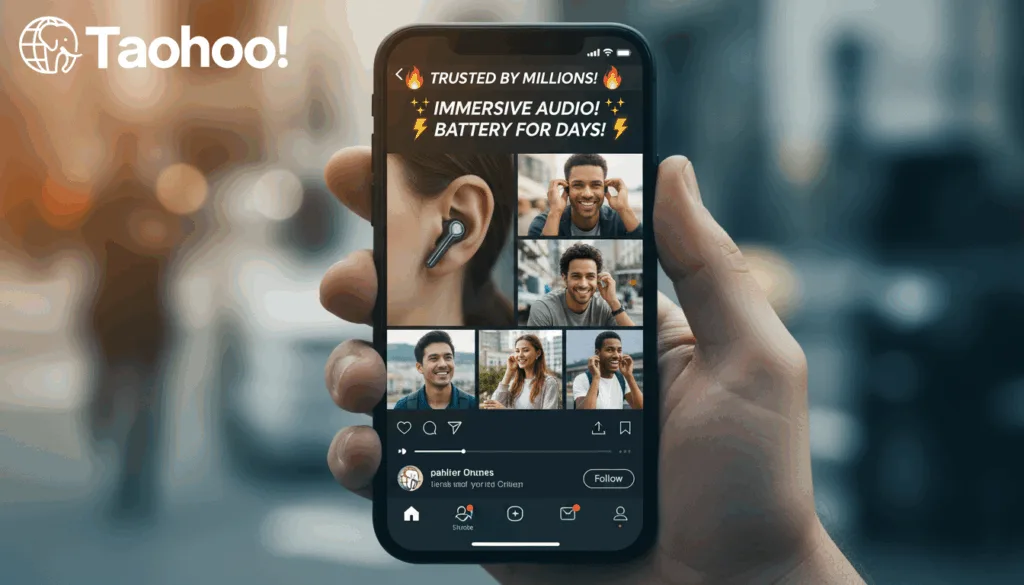
Creative is where we win or lose attention, so every ad set has a creative hypothesis that we test quickly and ruthlessly. Our creative pillars are product-in-use, quick social proof, benefit-first hooks, and a native platform feel. On Instagram and Facebook we tailor creative to Reels and feed placements by opening with a visual hook in the first one to two seconds, keeping video length tight, and ensuring the message works without sound (onscreen text + captions). Short, high-energy Reels-style clips perform best when they feel organic rather than polished ad. Meta’s guidance reinforces that video creative for Instagram should make an impact immediately and be optimized for vertical formats. On TikTok we lean into trends and creator-style storytelling: vertical, fast-paced edits, captions that read well on mute, and music that matches the platform’s vibe. TikTok’s own creative guidance stresses TikTok-first thinking and regular refreshes to avoid creative fatigue.
Setting up campaigns crosses three technical checkpoints: account structure and naming conventions, tracking implementation, and landing page readiness. We maintain a predictable account structure so reporters and teammates can read performance at a glance, and we keep campaign names tied to objective, audience, and creative variant. For tracking we install the Meta Pixel plus Conversion API and ensure server-side events mirror browser events to reduce attribution loss; we append UTM parameters to every ad link and centralize the raw click and event data in our analytics workspace so we can reconcile ad platform reports with real conversions. We validate landing pages on mobile for load speed, clarity of CTA, and local payment or WhatsApp checkout options, because friction on the landing page inflates CPA in the ad platform even when the ad itself performs well. Meta’s Business Manager resources and setup guides are a practical reference for advanced account setup and governance.
We structure experiments as a learning loop where each test runs long enough to reach statistical signal but short enough to avoid wasting budget on clear losers. A typical experiment tests one variable at a time: creative concept, CTA wording, landing page hero, or audience seed. We use holdout audiences to measure incremental lift and allocate a small, controlled budget to “creative exploration” where we intentionally push raw, native-feeling concepts. When a creative wins, we scale it with a controlled budget doubling cadence while monitoring frequency, cost-per-result and return-on-ad-spend; if KPIs drift upward during scale we either pause scaling, refresh creative, or expand to adjacent audiences. Community intelligence from platform updates and peer learnings helps us decide when to lean on AI-assisted creative tools versus manual creative production — for example, auto-generated variants can accelerate testing but still need human review for brand fit and cultural sensitivity. Recent platform roadmaps indicate a growing emphasis on automating parts of ad creation, so we blend automation with human oversight.

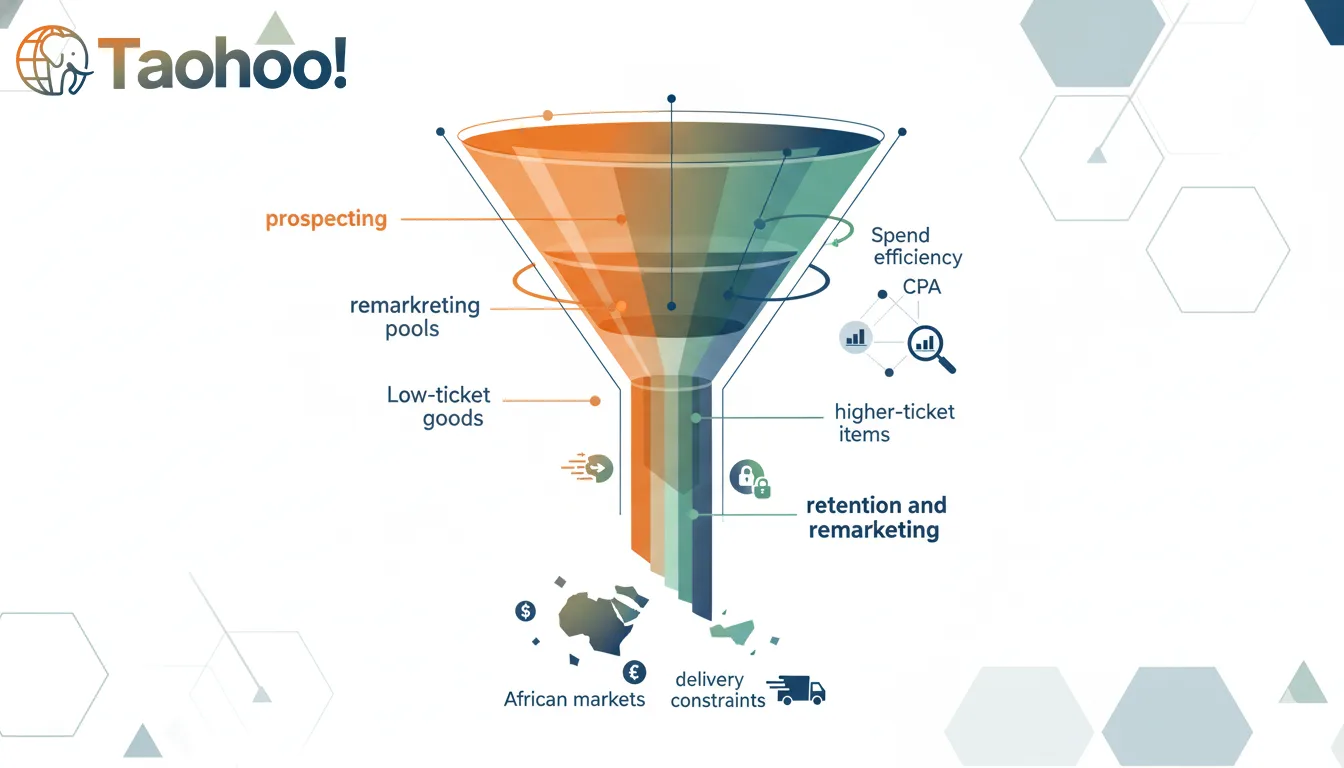
Budget allocation follows a simple funnel rule: allocate the largest share to prospecting that feeds the remarketing pool while reserving about 20–40% for retention and remarketing depending on product lifecycle. For low-ticket consumer goods we keep a higher percentage in prospecting supported by swift retargeting windows; for higher-ticket items we lengthen the consideration window and invest more in lead capture content and in-market remarketing. We measure spend efficiency by cost-per-acquisition, blended return-on-ad-spend, and by customer lifetime value projections that account for repeat purchase rates in the specific African markets we serve. Because payment and delivery constraints vary by country, we track conversion funnels by region and prefer to run country-specific campaigns when purchase behavior diverges.
Measurement is a continuous reconciliation process between platform events and on-site conversions. We instrument server-side tracking to capture post-click events like add-to-cart, purchase, and form submissions, and we send a reconciled feed back to the ad platforms so they can learn from true conversions rather than proxy signals. We layer UTM parameters and a robust CRM to stitch anonymous ad clicks to eventual purchasers whenever possible, and we use incrementality tests or control groups to understand true lift beyond last-click attribution. For marketplaces or when payment happens off-site, we track micro-conversions like coupon downloads, WhatsApp message starts, and product page dwell time as leading indicators of downstream purchases.
Localization is not just translation; it’s adapting imagery, copy cadence, influencers, and even offers to local customs. In West Africa a product visual that shows real shoppers in local markets resonates more than a studio shot, and call-to-action language that references WhatsApp or mobile money payment options converts better than generic “Buy now” CTAs. We work with local micro-influencers for authentic endorsements, A/B test localized landing pages, and respect cultural aesthetics when selecting models and scenarios. For many African customers trust is built visually and through local voices first, so we prioritize native creators and tangible social proof over generic testimonials.

Optimization operates on two cadences: rapid creative turns on a 3–14 day cycle, and strategic account-level changes every 2–6 weeks. Daily checks focus on anomalies (sudden CTR drops, policy disapprovals, or delivery issues). Weekly reviews look at trend shifts like rising CPAs or creative fatigue and trigger immediate creative refreshes when necessary. Biweekly or monthly retrospectives examine cohort performance, unit economics and inventory constraints, then feed those insights into the upcoming creative roadmap and budget plan. This rhythm keeps the engine responsive to fast-moving feeds and preserves performance as platforms iterate their algorithms.
We invest heavily in creative operations and a lightweight asset library to speed up testing. Every asset is tagged by hook, length, format and performance so we can quickly remix a winning concept across platforms. A single winning narrative can be adapted into a 6-second TikTok cut, a 15-second Instagram Reel, and a slightly longer Facebook video for in-feed placements. We also keep a short “no-no” list of imagery or claims that have previously led to disapprovals in certain markets, because avoiding repeated policy violations saves days of downtime and preserves learning delivery.

When scaling beyond one country we replicate the playbook with local seeds and adjusted budgets rather than cloning everything wholesale. We pilot in two representative markets to tune creatives and logistics, then expand to adjacent countries while maintaining regional creative templates. Scaling too fast without local partners often leads to fulfillment bottlenecks and poor post-click experience, which kills long-term ROAS faster than any creative mistake can. We therefore synchronize marketing scale with operations and ensure customer service channels like WhatsApp are staffed in local languages before broad rollouts.
Finally, we treat data privacy and compliance as a competitive advantage rather than a cost center. We proactively map where personal data flows, keep consent mechanisms clear on landing pages, and align with each platform’s measurement best practices to preserve event fidelity without violating local laws. Building trust with transparent return policies, clear shipping expectations and reliable customer support reduces refund rates and improves lifetime value, which in turn lowers sustainable acquisition costs.